Dāmodarāṣṭakam — Satyavrata Muni's eight-verse hymn to Krishna as Damodara, the child Yashoda bound with a rope: chanted through Kartik while offering a ghee lamp, asking only that the bound child stay in the heart.
I bow to the Lord whose form is being, awareness and bliss — earrings swaying, radiant in Gokula — who runs from the grinding mortar in fear of Yashoda and is caught from behind as she runs swifter after him.
He sobs, rubbing his eyes again and again with his two lotus hands, his eyes wide with fear and his breath catching; on his conch-marked neck the lines tremble — to bound Damodara, held fast by his devotees' love, I bow.
Verse 4 — ಇತೀದೃಕ್ ಸ್ವಲೀಲಾಭಿರಾನಂದಕುಂಡೇ ಸ್ವಘೋಷಂ…
ಇತೀದೃಕ್ ಸ್ವಲೀಲಾಭಿರಾನಂದಕುಂಡೇ ಸ್ವಘೋಷಂ ನಿಮಜ್ಜಂತಮಾಖ್ಯಾಪಯಂತಂ । ತದೀಯೇಷಿತಾಜ್ಞೇಷು ಭಕ್ತೈರ್ಜಿತತ್ವಂ ಪುನಃ ಪ್ರೇಮತಸ್ತಂ ಶತಾವೃತ್ತಿ ವಂದೇ ॥ ೩ ॥
Thus, by his own play, plunging his own cowherd settlement into a pool of bliss and proclaiming it — conquered only by his devotees, under his own command — to him I bow a hundred times over, and again, out of love.
Verse 5 — ವರಂ ದೇವ ಮೋಕ್ಷಂ ನ ಮೋಕ್ಷಾವಧಿಂ ವಾ ನ ಚಾನ್ಯಂ ವೃಣೇಽಹಂ…
ವರಂ ದೇವ ಮೋಕ್ಷಂ ನ ಮೋಕ್ಷಾವಧಿಂ ವಾ ನ ಚಾನ್ಯಂ ವೃಣೇಽಹಂ ವರೇಷಾದಪೀಹ । ಇದಂ ತೇ ವಪುರ್ನಾಥ ಗೋಪಾಲಬಾಲಂ ಸದಾ ಮೇ ಮನಸ್ಯಾವಿರಾಸ್ತಾಂ ಕಿಮನ್ಯೈಃ ॥ ೪ ॥
varaṃ deva mokṣaṃ na mokṣāvadhiṃ vā na cānyaṃ vṛṇe'haṃ vareṣādapīha | idaṃ te vapurnātha gopālabālaṃ sadā me manasyāvirāstāṃ kimanyaiḥ || 4 ||
O Lord, I ask for no boon — not liberation, nor its highest limit, nor anything else, though you are the best of givers. Only let this form of yours, O Lord, the cowherd child, always appear in my mind — what use have I for the rest?
ಇದಂ ತೇ ಮುಖಾಂಭೋಜಮತ್ಯಂತನೀಲೈರ್ವೃತಂ ಕುಂತಲೈಃ ಸ್ನಿಗ್ಧರಕ್ತೈಶ್ಚ ಗೋಪ್ಯಾ । ಮುಹುಶ್ಚುಂಬಿತಂ ಬಿಂಬರಕ್ತಾಧರಂ ಮೇ ಮನಸ್ಯಾವಿರಾಸ್ತಾಮಲಂ ಲಕ್ಷಲಾಭೈಃ ॥ ೫ ॥
idaṃ te mukhāmbhojamatyantanīlairvṛtaṃ kuntalaiḥ snigdharaktaiśca gopyā | muhuścumbitaṃ bimbaraktādharaṃ me manasyāvirāstāmalaṃ lakṣalābhaiḥ || 5 ||
May this lotus face of yours — framed by soft, dark curls and kissed again and again by the cowherd woman, lips red as the bimba fruit — shine in my mind; of what use to me are a hundred thousand other gains?
namo deva dāmodarānanta viṣṇo prasīda prabho duḥkhajālābdhimagnam | kṛpādṛṣṭivṛṣṭyātidīnaṃ batānu gṛhāṇeśa māṃ ajñamedhyakṣidṛśyaḥ || 6 ||
Salutations, O Lord Damodara, endless Vishnu — be gracious to me, sunk in an ocean of sorrows. Protect this helpless one with the rain of your merciful glance; accept ignorant me, and let me behold you with my own eyes.
ಕುಬೇರಾತ್ಮಜೌ ಬದ್ಧಮೂರ್ತ್ಯೈವ ಯದ್ವತ್ತ್ವಯಾ ಮೋಚಿತೌ ಭಕ್ತಿಭಾಜೌ ಕೃತೌ ಚ । ತಥಾ ಪ್ರೇಮಭಕ್ತಿಂ ಸ್ವಕಂ ಮೇ ಪ್ರಯಚ್ಛ ನ ಮೋಕ್ಷೇ ಗ್ರಹೋ ಮೇಽಸ್ತಿ ದಾಮೋದರೇಹ ॥ ೭ ॥
kuberātmajau baddhamūrtyaiva yadvattvayā mocitau bhaktibhājau kṛtau ca | tathā premabhaktiṃ svakaṃ me prayaccha na mokṣe graho me'sti dāmodareha || 7 ||
Just as you, though bound yourself, freed Kubera's two sons standing as trees and made them your devotees, so grant me your own loving devotion — I hold no eagerness for liberation here, O Damodara.
Salutations to the rope, radiant and blazing, and to your belly that holds the universe; salutations to Radhika, your beloved, and to you, O Lord of endless play.
Dāmodarāṣṭakam is a Sanskrit stotra, composed by Satyavrata Muni, addressed to Krishna — a Ashtakam. It is presented here in Devanagari, Roman (IAST), Kannada, Telugu, Tamil, each verse with its English meaning. Source text: Sanskrit Wikisource.
Also known as: Damodara Ashtakam.
The sage who speaks the Dāmodarāṣṭakam in the Padma Purāṇa (Rukmāṅgada–Mohinī dialogue, quoted in Hari-bhakti-vilāsa 16.199–206 with Sanātana Gosvāmī’s commentary); the eight verses sung every Kartik are his hymn to Kṛṣṇa as Dāmodara, the child bound with a rope.
Dāmodarāṣṭakam is a Sanskrit stotra (devotional hymn), composed by Satyavrata Muni, addressed to Krishna, of 9 verses. On Avabodhak every verse is shown with its English meaning, so you can understand the text line by line as you read.
How do I pronounce Dāmodarāṣṭakam correctly?
Avabodhak presents Dāmodarāṣṭakam in Devanagari, Roman (IAST), Kannada, Telugu, Tamil alongside IAST Roman transliteration that marks every long vowel (ā, ī, ū) and conjunct consonant. Reading the Devanagari text with the IAST line lets you follow the exact pronunciation syllable by syllable, and the guided practice mode replays it line by line.
What is the word-by-word meaning of Dāmodarāṣṭakam?
Avabodhak pairs each verse of Dāmodarāṣṭakam with its English meaning, and the practice view breaks lines into individual words — so you learn what each word means, not just the overall sense.
Who composed Dāmodarāṣṭakam?
Dāmodarāṣṭakam is attributed to Satyavrata Muni.
In which scripts can I read Dāmodarāṣṭakam?
Dāmodarāṣṭakam is available in Devanagari, Roman (IAST), Kannada, Telugu, Tamil on Avabodhak, each with English meaning and IAST transliteration.
Can I chant or practice Dāmodarāṣṭakam online?
Yes — Avabodhak offers a free reading view plus guided practice and word-puzzle modes to help you chant and memorise Dāmodarāṣṭakam.
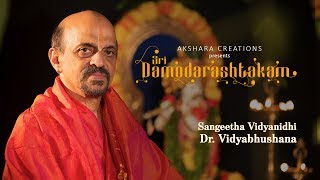 Hear the recitationChant along with word meaningsDr. Vidyabhushana9 verses